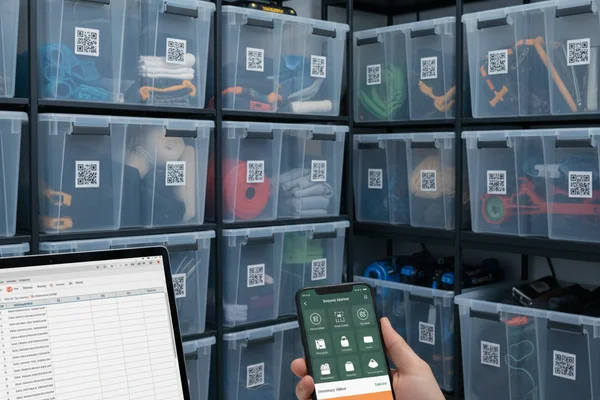
Deep dive on AI image recognition: what it identifies, how it helps, accuracy, tips for best results
The Magic Behind the Lens: How AI Image Recognition Transforms Your Photo Organization
Ever uploaded a photo and watched in amazement as it was instantly tagged with "beach," "sunset," and "family vacation"? That's not magic—it's artificial intelligence working behind the scenes to make your life dramatically easier. But how does it actually work, and more importantly, how can you make it work better for you?
If you've ever spent hours manually sorting through thousands of photos, desperately trying to find that one picture of your grandmother's antique vase or your daughter's first bicycle, you know the pain of disorganized digital clutter. AI image recognition is changing that game entirely, and today we're pulling back the curtain on this powerful technology that's at the heart of Squared Away's automatic tagging system.
Let's dive deep into what AI recognition can identify, how it transforms your organization workflow, and the insider tips that'll help you get the most accurate results possible.
---
How AI Image Recognition Actually Works
The Science Made Simple
At its core, AI image recognition uses something called machine learning—specifically, neural networks trained on millions of images. Think of it like teaching a child to recognize objects. Show them enough pictures of dogs, and eventually, they can identify a dog they've never seen before. AI works similarly, but at an incomprehensibly larger scale.
When you upload a photo to Squared Away, the AI analyzes patterns, shapes, colors, and contextual clues within milliseconds. It compares what it "sees" against its vast training data to make intelligent predictions about what's in your image.
What the AI Can Identify
The breadth of recognition capabilities might surprise you. Modern AI can detect and tag:
- Objects: Furniture, electronics, jewelry, tools, kitchenware, and thousands of everyday items
- Categories: Automatically grouping similar items together (all your books, all your artwork, all your sports equipment)
Colors and materials: Identifying whether something is wooden, metallic, ceramic, or fabric - Text and labels: Reading brand names, model numbers, and other text visible in images
- Context clues: Understanding that items photographed together in a garage are likely tools or automotive supplies
This multi-layered analysis means your items get tagged with rich, searchable metadata without you lifting a finger.
---
The Real-World Impact on Your Organization
From Chaos to Searchable in Seconds
Imagine this scenario: You're preparing for a move and need to locate all your winter clothing stored in various boxes throughout your home. Without AI tagging, you'd be opening box after box, digging through contents, wasting precious time.
With Squared Away's automatic tagging, you simply search "winter clothes" or "sweater" and instantly see every relevant item across all your storage locations. The AI has already done the heavy lifting of identifying, categorizing, and tagging each piece.
Discovering Items You Forgot You Owned
Here's something users consistently tell us: AI tagging helps them rediscover forgotten possessions. That vintage camera from your grandfather? Tagged and searchable. The specialty cooking equipment you bought for that one recipe? Easy to find when the craving strikes again.
The AI doesn't just organize what you remember—it creates a comprehensive inventory of everything you own, including items that might have slipped your mind entirely.
Insurance and Documentation Made Effortless
When disaster strikes—whether it's theft, fire, or flood—having a detailed, searchable inventory becomes invaluable. AI recognition automatically creates the documentation you need, complete with item descriptions and categories, making insurance claims significantly smoother.
---
Understanding AI Accuracy: Setting Realistic Expectations
When AI Gets It Right (Most of the Time)
Modern image recognition has become remarkably accurate, especially for common household items. Clear, well-lit photos of recognizable objects typically achieve high accuracy rates. The AI excels at identifying:
- Standard furniture pieces
- Common electronics and appliances
- Books, media, and entertainment items
- Clothing and accessories
- Kitchen and dining items
- Tools and hardware
When AI Needs a Little Help
No technology is perfect, and understanding the limitations helps you work more effectively with the system. AI may struggle with:
- Unusual angles: A chair photographed from directly above might not be immediately recognizable
- Partial visibility: Items obscured by other objects or cut off at the frame's edge
- Rare or unique items: That one-of-a-kind handmade sculpture from your travels might need manual tagging
- Poor lighting: Shadows and dim conditions can affect recognition accuracy
- Cluttered scenes: Too many overlapping items in one photo can confuse the analysis
The good news? Squared Away makes it simple to add or adjust tags manually, so you always have full control over your organization system.
---
Pro Tips for Maximizing AI Recognition Accuracy
Capture Techniques That Make a Difference
Small changes in how you photograph your items can dramatically improve AI accuracy:
Lighting matters most: Natural daylight or bright, even artificial lighting helps the AI "see" your items clearly. Avoid harsh shadows or backlighting that obscures details.
One item, one photo: While the AI can handle group shots, individual item photos yield the most accurate and specific tags. When photographing collections, consider both a group shot and individual captures for important pieces.
Show the whole picture: Ensure the entire item is visible within the frame. That means stepping back far enough to capture a full piece of furniture or ensuring all parts of smaller items are visible.
Angles and Perspectives
Standard angles work best: Photograph items from the angles people typically view them. A couch from the front, a book showing its cover, electronics displaying their face or control panel.
Multiple angles for valuable items: For important possessions, consider taking 2-3 photos from different angles. This not only improves recognition but gives you better documentation for insurance purposes.
Background Considerations
Simple backgrounds shine: A plain floor, table, or wall behind your item helps the AI focus on what matters. Busy patterns or cluttered backgrounds can introduce confusion.
Context can help: That said, sometimes context improves accuracy. A kitchen gadget photographed in the kitchen, or tools in a workshop setting, can receive more accurate categorical tags.
---
Combining AI Power with Personal Organization
The Best of Both Worlds
AI recognition is a powerful starting point, not a complete replacement for human judgment. The smartest approach combines automatic tagging with your personal organizational preferences.
Use AI-generated tags as your foundation, then enhance with:
- Custom tags that match your mental model ("Mom's china" vs. just "dinnerware")
- Location-specific tags that AI can't know ("garage shelf 3")
- Sentimental or contextual notes ("Wedding gift from Aunt Susan")
Building Your Perfect System
Start by letting the AI do its work automatically. Then, periodically review your tagged items and add personal touches where they matter most. Over time, you'll develop a hybrid system that's both comprehensive and personally meaningful.
This approach gives you the speed of automation with the precision of human curation—truly the best of both worlds.
---
Embrace the Future of Organization
AI image recognition isn't just a convenient feature—it's a fundamental shift in how we interact with our possessions. What once took hours of manual categorization now happens automatically, freeing you to focus on what actually matters: enjoying your belongings and living your life.
The technology will only continue improving, becoming more accurate, more nuanced, and more helpful with each passing year. By embracing AI-powered organization today, you're not just solving your current clutter challenges—you're building a system that grows smarter alongside you.
Ready to experience the difference AI recognition can make in your organization journey? Start uploading your items to Squared Away and watch as the magic unfolds, one perfectly tagged photo at a time. Your future self—the one who finds everything in seconds—will thank you.
---